Mending the seams: lessons from combining weather data sets for agricultural analysis
Combining weather data streams is rarely simple, but the results can be worth the extra work.
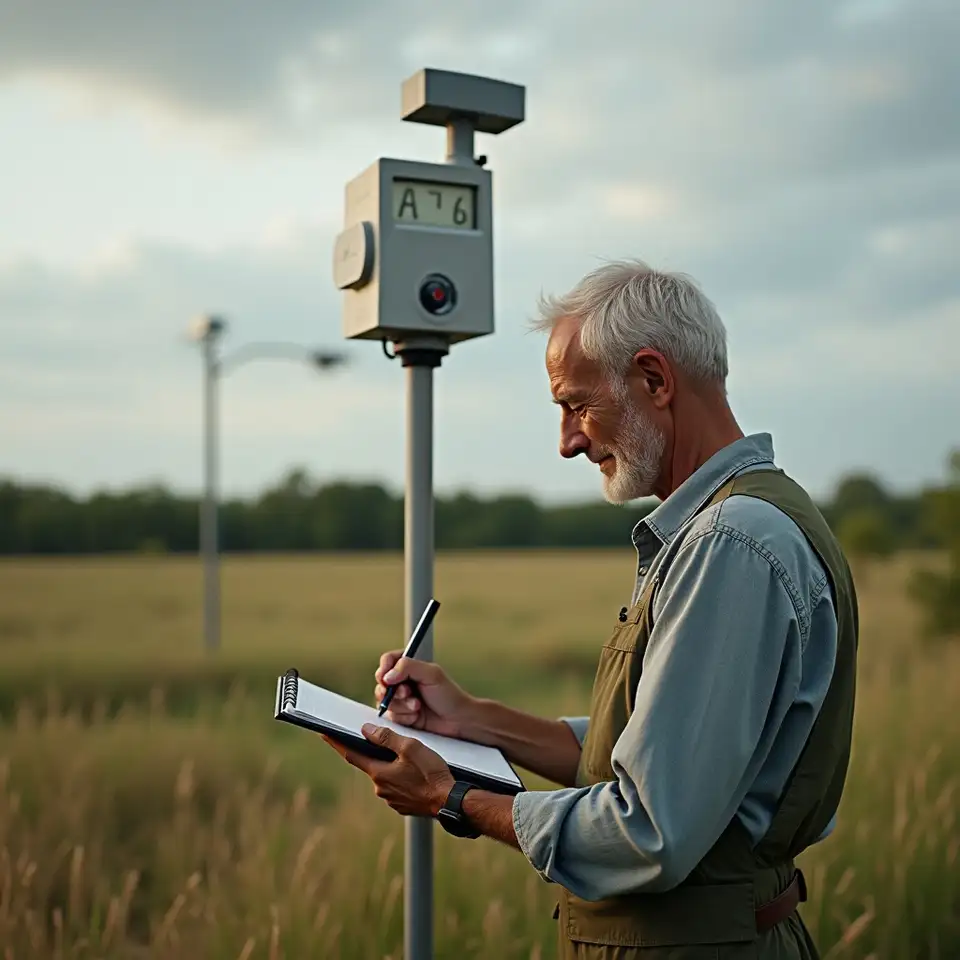
I remember once trying to blend rainfall readings from three different sensors—no two agreed, and reconciling their differences took hours. This post shares the plain mechanics, pitfalls, and small victories I’ve encountered when merging alternative weather data sets with traditional sources for agricultural decisions. The real work lies in sorting through mismatches and learning where to trust the numbers.
Reconciling differences
Not long ago, I spent an afternoon reviewing rainfall data from a government station, a private sensor, and a remote feed. Each set told a slightly different story—one lagged, one showed spikes the others missed, and the last had odd gaps. Blending them meant not just averaging numbers, but understanding the quirks behind each. I’ve learned that reconciling these differences is half art, half slow patience, and there’s no shortcut to figuring out which version deserves trust on any given day.
Patience is required
Merging data from multiple weather sources often means long hours with spreadsheets, hunting for outliers and mismatches. Automation can help, but it can also hide errors if you don’t double-check. I prefer to lay the numbers out plainly, row by row, before trusting a combined result. If something looks off, I ask—where did this figure come from? Is it a fluke, or is it revealing a hidden pattern?
Building confidence in blended data
The surest lesson I’ve learned is that trust in any integrated data set comes from slow, careful work—never speed. I question each step, tracing numbers back to their source. Only by checking and rechecking do I gain confidence that the merged data reflects reality, not just a tidy average. That trust isn’t given lightly, but it’s the only ground I stand on when making a practical decision.