This site uses cookies to enhance your experience and analyze site usage. You can manage cookie preferences at any time. See privacy policy · ·
Hard lessons: real-world obstacles of new weather data
Field Notes
May 11, 2026
by Mason Cartwright
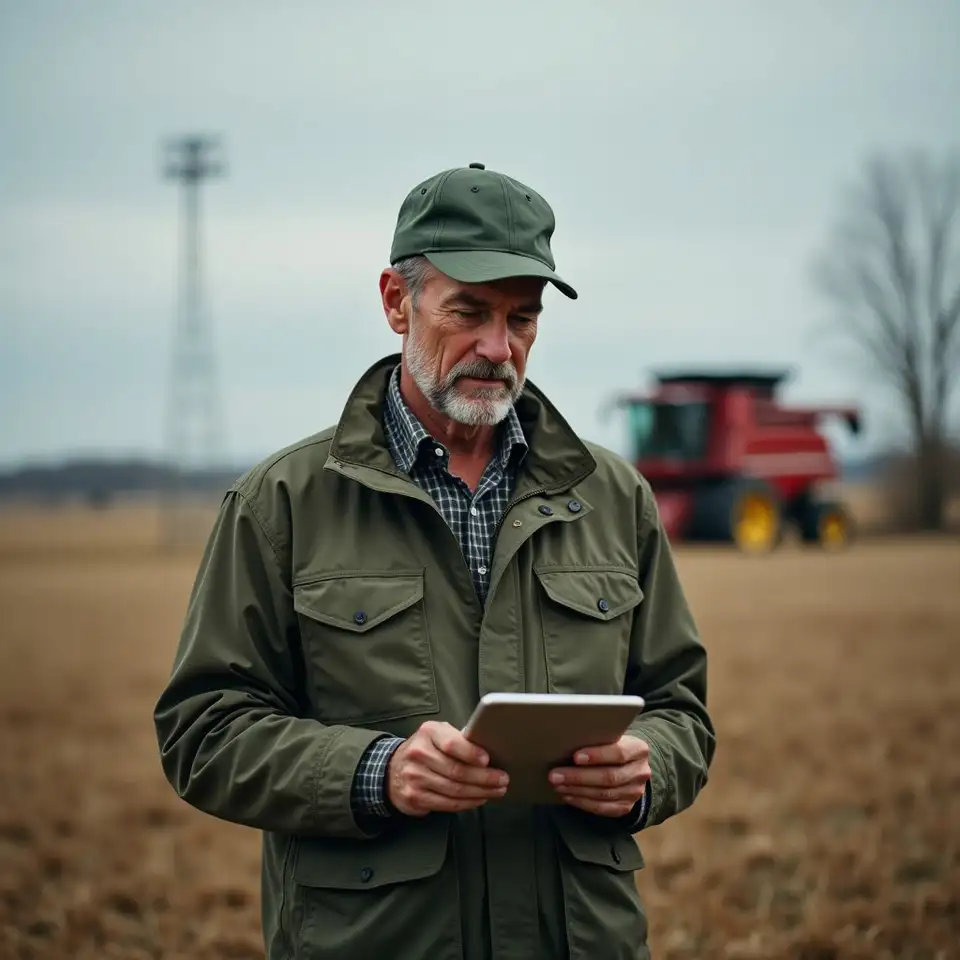
Technical set-up can test even steady hands.
In my earliest attempts, I spent an afternoon trying to make sense of raw data files from a provider whose interface was all sharp angles and small print. What should have been a simple import took hours of format fixing. Most alternative weather data sets require technical know-how for set-up and regular use. If you’re not familiar with data parsing, even a patient person can lose an afternoon to correcting column headers or deciphering codebooks. Often, these tools are built for specialists and not for the rest of us who just want clarity without so many extra steps.
Subscription fees change the calculation for many.
I noticed quickly that each new data stream came with its own bill. Monthly fees, usage caps, or tiered access levels add up, especially for those of us used to the open availability of government reports. For someone working with a tight budget, these costs aren’t a minor detail—they shape what’s possible and what’s out of reach. There are rarely shortcuts here: a broader dataset often means a steeper bill, so you have to weigh value against the price every time you consider a new subscription.
No data set covers every place or season.
Coverage is another persistent challenge. In some years, a field station stops working for a week just as the most critical data is needed. Alternative data sets may promise near-real-time updates, but gaps still appear. There may be missing entries for certain regions or weather events that escape the network’s notice. You learn to cross-check sources and to expect the occasional blind spot—no system covers every corner, however modern its sensors may be.