A craftsman's look at traditional and alternative weather data for agricultural commodity decisions
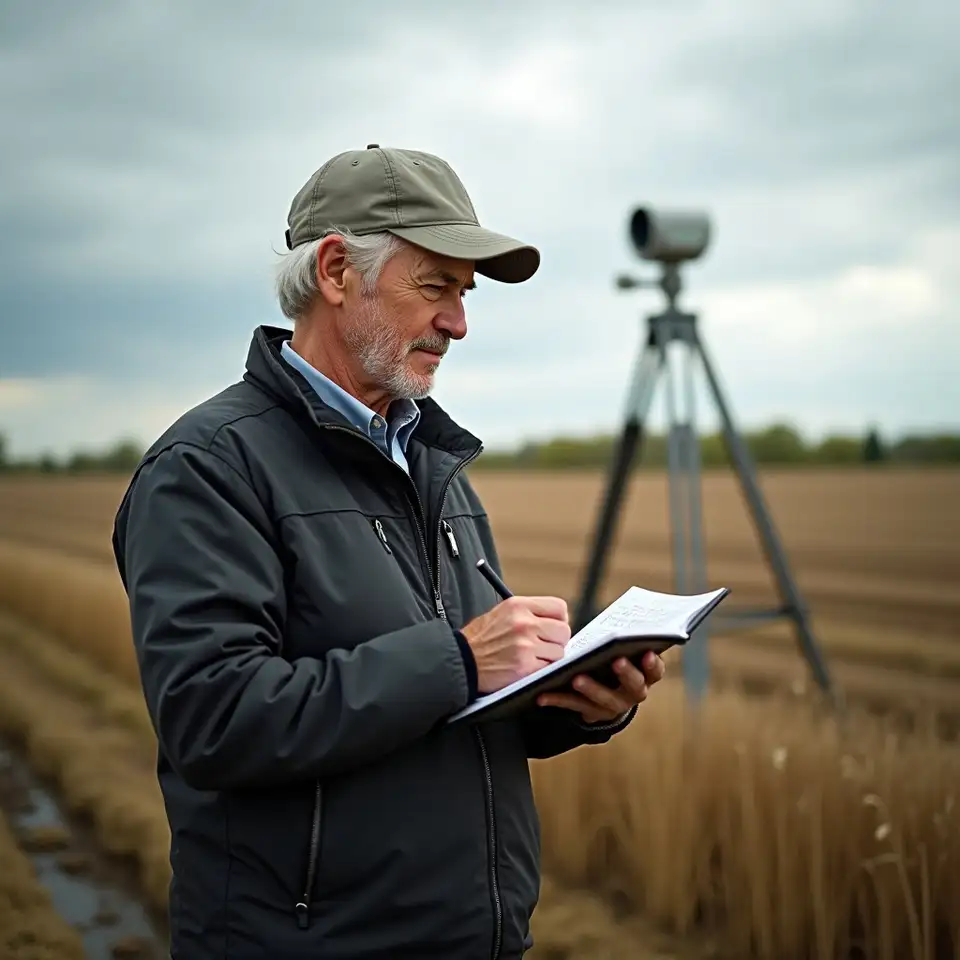
Some years back, I noticed a neighbour’s careful notes on rainfall standing beside a blinking new sensor. That memory lingers as I consider how traditional weather records and modern data streams now compete to shape agricultural commodity choices.
1. Source reliability and update frequency
Government weather records are freely accessible and easy to interpret, though they can lag in updates and miss hyperlocal patterns. For decades, many relied on these sources for their reliability and consistency.
Alternative weather data sets provide richer detail and sometimes timelier updates, but they often arrive with more complex interfaces and additional costs. You may find yourself trading ease of access for the promise of greater granularity. In my experience, this requires careful vetting of both data integrity and ongoing expenses. Many sources blend satellite feeds with proprietary sensors, so understanding the underlying collection methods is as important as the numbers themselves.
Choosing between sources comes down to what you value—steady reliability or up-to-the-minute detail, each with its tradeoffs and learning curves.
2. Using single versus multiple data sources
A single-source method is simpler to manage and interpret but limits your view to the strengths and weaknesses of just one provider.
Blending both data types can offer a broader picture but also brings the challenge of reconciling mismatches. Automated tools may smooth out differences, but sometimes, a manual cross-check remains wise. This approach can be rewarding if you’re willing to double-check the details.
Sometimes, combining sources makes the most sense—but only if you’re prepared for more hands-on work and potential data conflicts.
3. Model detail level and usability
General models provide broad patterns and are usually simpler to use, making them practical for quick assessments or when technical resources are limited.
More granular weather models offer precise, location-based information. However, this depth often comes at a higher price and demands more technical know-how to interpret results properly. It’s easy to get lost in details that may not matter to the broader picture.
A simpler model may leave gaps, but sometimes too much detail can cloud judgment rather than clarify it.
Alternative data brings promise and complexity, while older records offer steady ground. No single approach fits every field, and every data set deserves a second look before you act.